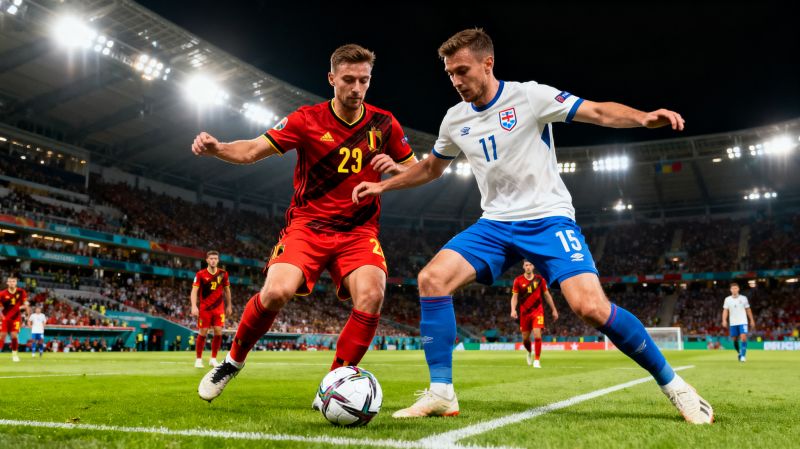
Manuel Neuer didn't just redefine goalkeeping—he demolished the manual and wrote a new one. Before him, keepers were shot-stoppers rooted to their lines, their domain the six-yard box. Neuer turned the position into a hybrid role: part sweeper, part playmaker, part last line of defense. That shift wasn't gradual;it was a revelation. Watch any match from his prime and you'll see him standing 25 yards off his line, chest puffed, scanning the field like a deep-lying midfielder. The first time I saw him do it live。I thought it was reckless. Ten years later, it's the template every elite club wants for their No. 1.The stats back up the eye test. In the 2013–14 Champions League, Neuer completed more passes than most defensive midfielders—a staggering 89% completion rate across the campaign. He kept five clean sheets in seven knockout matches as Bayern Munich lifted the trophy. That season wasn't an outlier;
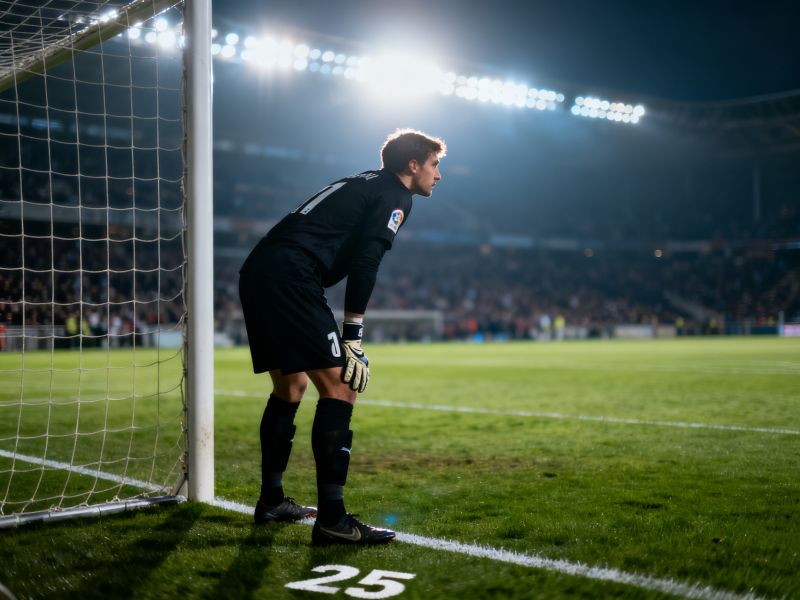
it was the new normal. His sweeper-keeper style forced opposing forwards to second-guess through-balls, and that hesitation alone saved goals. Coaches started showing clips of Neuer to youth keepers not as inspiration but as a manual: this is the standard now. The term 'Neuer' became shorthand for a keeper who plays with the audacity of an outfield player.Critics point to the 2014 World Cup as his masterpiece, and they're right—but for the wrong reasons. Yes, his save on Karim Benzema in the quarter-final was otherworldly. The real story, though, was his distribution under pressure. Germany's backline pushed high because Neuer allowed them to. He acted as an auxiliary center-back, intercepting through-balls with the calm of a libero. That tournament gave us the iconic image of Neuer outside his box。chesting down a long ball and casually rolling it to a teammate. It looked effortless. It wasn't. Years of training—specifically designed drills where he played as a field player—made it instinctive.Injury troubles have slowed him since 2017, and there's a fair debate about how much longer he can sustain this style. The broken foot, the knee issues—they add up. But writing him off feels premature. His reading of the game remains elite. Watch him in the 2020 Champions League final against PSG: no spectacular saves。just flawless positioning and two crucial claims in the box. That's the Neuer evolution—less showmanship, more control. He's adapted his game without abandoning its core. The sweeper-keeper didn't disappear;he just learned to pick his moments. For a generation of keepers raised on his highlights, that's the real lesson: innovation isn't about constant risk, it's about intelligent reinvention.
Looking ahead, Neuer's legacy is already secure. The Bundesliga has seen a wave of young keepers—from Gregor Kobel to Diant Ramaj—openly citing him as the reason they play the way they do. Even the terminology has shifted: scouts now ask whether a prospect can 'play the Neuer role.' That's rare in football, where roles are usually named after systems or coaches. Naming a position after a player?That's a different level of influence. He didn't just win trophies;he changed what coaches demand from the position. The sweeper-keeper existed before Manuel Neuer—but it was a curiosity. He made it mandatory. And when he finally hangs up his gloves, the position will carry his fingerprints for decades.